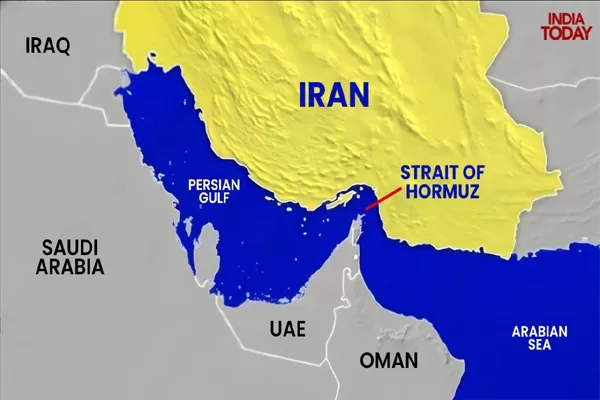
A strike involving Iran and the U.S. can affect oil transport supply mainly because Iran sits next to the Strait of Hormuz, one of the world’s most important oil shipping routes. A very large share of global crude oil and LNG moves through that narrow passage, so any military tension there can quickly disrupt tanker movement and raise global supply fears. Recent reporting says roughly 15% to 20% of global oil and LNG flows are tied to that route.
1. Tankers may stop or slow down
When there are missile attacks, drone strikes, naval clashes, or mine threats, shipping companies avoid the area or delay sailings. Reuters reported that traffic through the Strait of Hormuz was heavily disrupted and that Iran was accused of laying mines, making commercial movement much riskier.
2. Insurance and freight costs jump
Even if ships still move, war-risk insurance becomes expensive and freight rates rise sharply. That makes oil transport costlier, which pushes up crude prices and fuel prices for buyers. Reuters also reported this effect on Indian exports, where higher freight and insurance costs slowed trade.
3. Export terminals and ports get disrupted
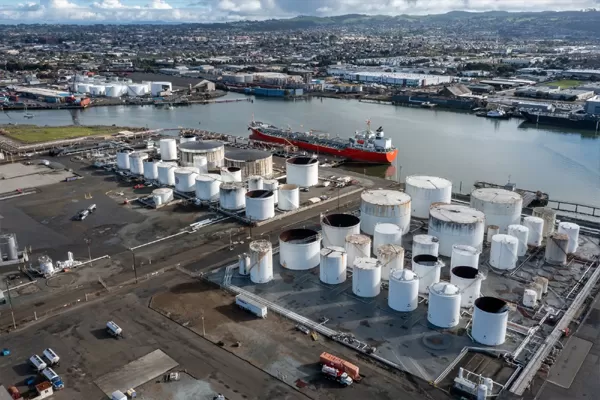
The problem is not only the sea route. Oil hubs and ports near the Gulf can also be attacked or temporarily shut. Reuters reported disruption at Fujairah port in the UAE, a major oil export hub outside the Strait area, after a drone strike. That shows how conflict can damage the wider transport chain too.
4. Buyers panic and prices rise immediately
Oil markets react to fear even before total supply is lost. If traders think future shipments may be blocked, prices rise fast. Reuters reported Brent moving above $100 per barrel and refined fuel prices rising even more as the conflict worsened.
5. Asian countries are hit especially hard
Many countries in Asia depend heavily on Gulf oil. If Hormuz is disrupted, importers such as India, China, Japan, South Korea, and others may face delays, shortages, or higher import bills. Reuters noted that Asian countries were particularly vulnerable because they rely strongly on Middle Eastern energy flows.
6. It affects more than crude oil
The disruption can also hit diesel, jet fuel, petrol, and LNG, sometimes harder than crude itself. Reuters reported that refined fuels and LNG supplies were under even more pressure in the current disruption.
So the simple reason is this:
Iran–U.S. strikes affect oil transport supply because conflict near Iran threatens the Strait of Hormuz, scares shipping companies, raises transport and insurance costs, damages ports or export facilities, and reduces or delays the movement of oil to global markets.